
The Rich History of Braids: A Celebration of African Heritage
February 10, 2025 2025-02-10 13:40The Rich History of Braids: A Celebration of African Heritage

The Rich History of Braids: A Celebration of African Heritage
Braids are more than just a hairstyle; they are a deep-rooted expression of identity, culture, and heritage, especially within African communities. For centuries, braiding has been used to symbolize tribal affiliation, marital status, age, wealth, and more. The practice of braiding dates back to at least 3500 BCE, as evidenced by ancient African carvings and sculptures. Each braid tells a story, connecting generations to their cultural roots.
In this blog post, we’ll explore the rich history of braids and highlight traditional braid styles from 10 African countries, showcasing how the same style might be known by different names across the continent.
The Historical Significance of Braiding
Braids served as a social art form in African societies. Women, men, and even children participated in braiding sessions, which were seen as bonding activities. Braiding could take hours or even days to complete, providing time for storytelling, sharing wisdom, and building community.
Braids were also a practical choice for African hair types, protecting natural hair from harsh environmental conditions and promoting hair growth. Over time, specific braiding patterns became identifiers for tribes, regions, and even social status.
Braids Across Africa: Styles and Names
- Nigeria: Yoruba Braid Artistry
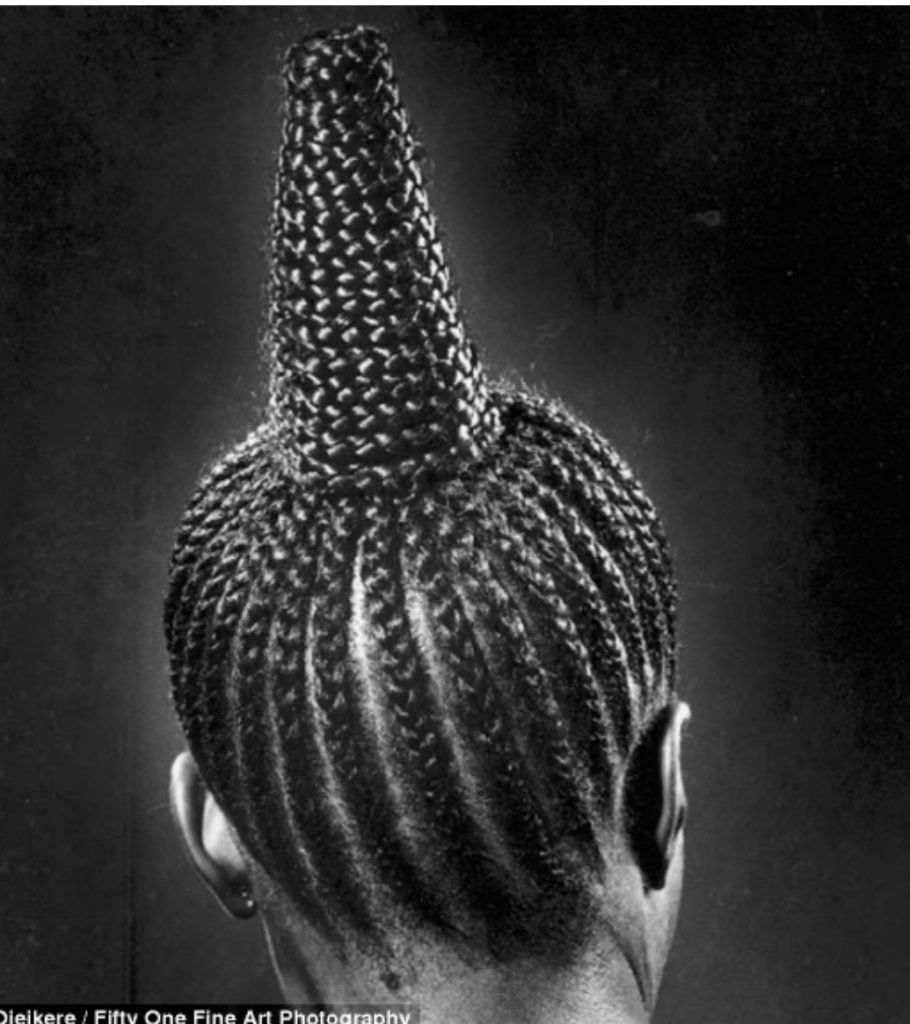
- Style: Shuku (Suku)
- A braided crown hairstyle that rises at the center of the head, often complemented with intricate patterns.
- In Ghana, this style is also called “Nsu Braids”, representing a similar crown-like structure.
- History: Shuku was traditionally reserved for queens or women of high status but has become more widespread in recent times
- Style: Shuku (Suku)
How Braids Have Evolved
While traditional braiding styles remain a staple of African culture, modern adaptations of braids have made their way into global fashion and hair trends. Styles like box braids, knotless braids, and jumbo twists have become icons of beauty, worn by celebrities and everyday people worldwide.
Despite their popularity, it’s essential to honor the origins of braiding and the deep cultural significance they hold. By understanding the history behind braids, we celebrate African heritage and its contributions to global beauty standards.
Conclusion
Braids are more than just hairstyles; they are a tapestry of African history, culture, and identity. From the Shuku braids of Nigeria to the Fulani braids of Senegal, each braid tells a story, preserving traditions and fostering community.
If you’d like to learn the art of braiding or explore more about its history, BraidStop Academy offers in-depth workshops that blend skill-building with cultural appreciation. Email us at braidstopshop@gmail.com to book your session today!
References
- Vermeer, C., & Apeldoorn, V. (2014). “Hair Practices in African Tribes.” Journal of Anthropological Studies.
- Davis-Sivasothy, A. (2011). “The Science of Black Hair: A Comprehensive Guide to Textured Hair Care.”
- American Academy of Dermatology (AAD). “Hairstyle Safety Guidelines.”
- Lupin, M. (2015). “Traditional Braiding Practices Across Africa.” International Journal of Trichology.
