Home
April 12, 2021 2026-03-12 21:01Home
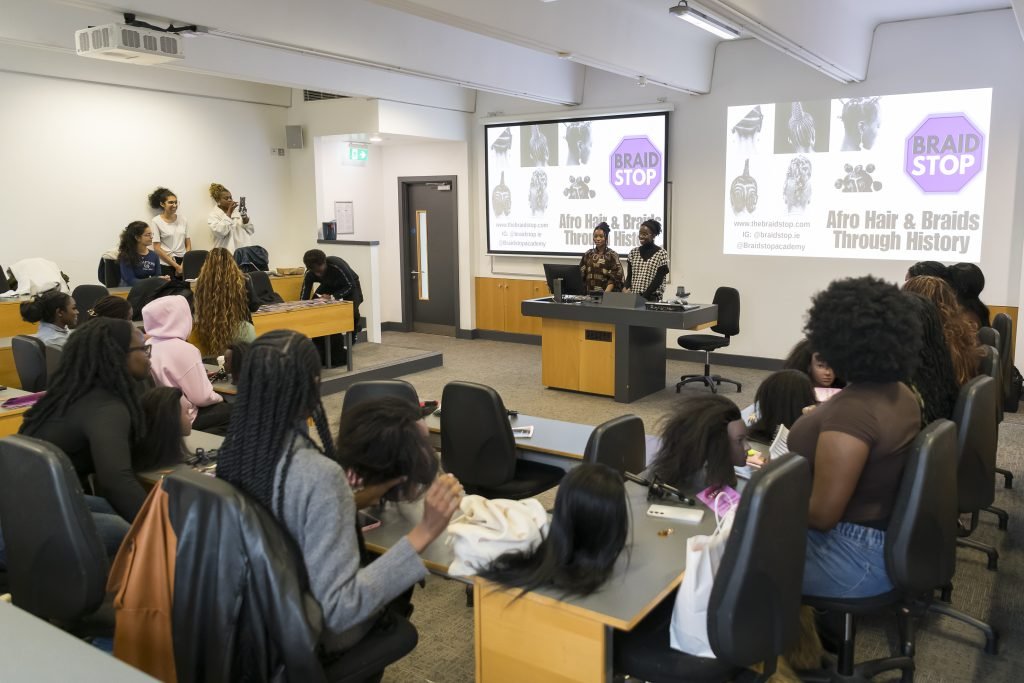
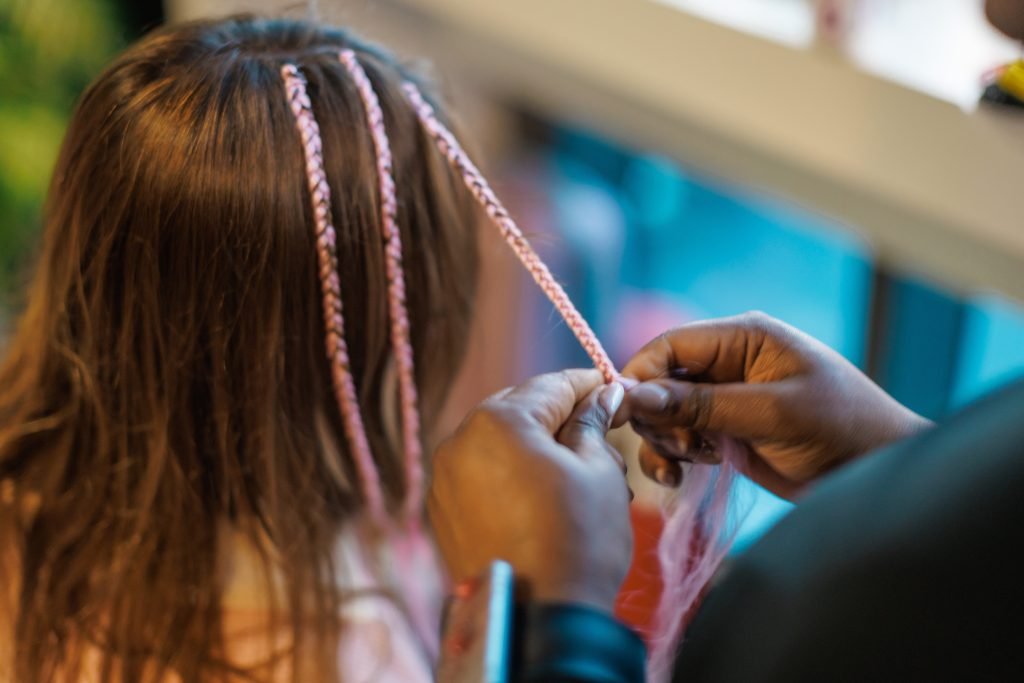
Afro Hair Mini Course
Customer Love
Lorainne
DublinWeena
DublinFemi
DublinMariem
DublinMartina
HairstylistFrom Our Blog
Check our blogposts about maintaining your braids, how to grow your hair, scientific papers about hair and MORE.
🧠 SCIENCE MEETS STYLE: What Real Research Says About Braiding, Combing & Hair Health
Hey Braid Babes! 👋 We’re always talking about how protective styles like braids can help your hair grow, rest, and flourish and it’s true! But did you know there’s actually real science behind how braiding and combing affect natural hair? Yep this isn’t just salon talk anymore. Researchers are sliding under the microscope to get the facts. 🧪👀 So today, we’re serving you a little beauty science, the BraidStop way: fun, simple, and always with your crown in mind. 🧬 The Study: What Happens to Hair with Frequent Braiding and Combing? A 2021 peer-reviewed study titled👉 “Quantifying the impact of braiding and combing on the integrity of natural African hair”took a deep look (like, under-a-microscope deep 👩🏽🔬) at how common hair practices affect textured hair over time. Researchers collected hair samples from women with natural Afro hair and split them into groups based on how often they braided: Then they tested how braiding — and even combing — affected the hair strands themselves. 🧪 What Did the Science Show? Let’s break it down: 1. Braiding too often can weaken your strands. Frequent braiders showed more damage: thinner shafts, more cuticle wear, and weaker hair fibers. Over time, this can lead to breakage — especially if the braids are tight or left in too long. 2. Traction alopecia is real. The study found signs of traction alopecia (hair loss from repeated pulling) in those who braided often — especially around the edges. 3. Combing isn’t innocent either. Even gentle-looking combing caused real damage. When researchers ran a comb through hair up to 480 times (ouch), the cuticle layers were visibly worn down — more so than some braiding tests! 💇🏾♀️ What This Means at the BraidStop Chair At BraidStop, we’re all about protective style with intention. So here’s how we turn this science into better care for your hair: 🔬 Scientific Finding 💡 BraidStop Wisdom Frequent braiding can thin and weaken hair We recommend breaks between installs and styles that give your strands a rest Tight styles increase traction alopecia risk We always go for snatched but not stressed — gentle tension only Too much combing causes cuticle damage We use finger detangling, wide-tooth combs, and always detangle in sections Hair damage happens below the surface We boost your braid prep with hydration, protein, and deep conditioning treatments 🌞 Bonus Tip: Watch That Sun! Another cool study in 2024 looked at how UV rays damage textured hair, and guess what? Natural hair can lose strength and moisture in the sun too. But here’s the good news: Ingredients like ferulic acid, mangiferin, and naringin (found in some plant-based conditioners) can protect your hair from UV damage. ☀️ So if you’re rocking summer braids, we’ve got leave-in sprays and sealants to keep you safe under the sun. 👑 Real Talk for Our Clients “Science backs what your hair’s been telling you: be gentle, hydrate, and give your strands a break when they ask for one.” Braids are beautiful — and they should protect, not stress. At BraidStop, we care for your style and your scalp. 📌 Final Tips from the BraidStop Crew: 📚 Reference: Osei-Twum, J. A., Draelos, Z. D., & Nwaneshiudu, C. A. (2021).Quantifying the impact of braiding and combing on the integrity of natural African hair.Journal of Cosmetic Dermatology, 20(11), 3571–3577.https://pubmed.ncbi.nlm.nih.gov/33605448/ Thanks for letting us nerd out a little 🤓. Next time you’re in the chair, know that we’re blending style + science to keep your crown strong, protected, and always on point. 📲 Book your braid session today and let’s give your hair the care it actually deserves. With love & leave-in,— The BraidStop Team 💖
The Ultimate 2025 Hair Care Routine for Long and Healthy 4C Hair Using Black-Owned Products
by Braidstop Academy 4C hair is beautiful, versatile, and full of personality, but it requires a specific routine to thrive. The key to maintaining long and healthy 4C hair lies in moisture retention, protection, and minimizing breakage. Below is a detailed hair care routine for 2025, exclusively featuring Black-owned products to celebrate and support the community. Daily Care 1. Moisturize and Seal Hydration is the foundation of a healthy hair routine for 4C hair. Start by applying a water-based moisturizer like TGIN Green Tea Super Moist Leave-In Conditioner to your hair. Follow up with an oil to seal in moisture. Opt for Melanin Haircare Multi-Use Pure Oil Blend, which is lightweight and packed with nourishing ingredients like sweet almond oil and baobab oil. 2. Protective Styling Keep your hair in a low-manipulation protective style like twists, braids, or buns. Avoid styles that are too tight, as they can cause tension and breakage. 3. Night-time Protection Use a satin or silk bonnet from a Black-owned brand like The Wrap Life or sleep on a silk pillowcase to prevent friction and retain moisture. If your hair feels dry, reapply a small amount of moisturizer before bed. Weekly Care 1. Cleanse Your Hair Clean your scalp and hair with a clarifying shampoo once a week to remove dirt and buildup. Try Honey’s Handmade Black Soap Honey Avocado Co-Wash for a gentle yet effective cleanse that won’t strip your hair of natural oils. 2. Deep Condition Deep conditioning is a non-negotiable step for 4C hair. Use a product like Obia Naturals Babassu Deep Conditioner, which provides intense moisture and strengthens your strands. For maximum absorption, use a heated cap or steamer to help the conditioner penetrate deeply. 3. Detangle Detangle your hair while it’s damp, working in small sections. Use a wide-tooth comb or your fingers, starting from the ends and working your way up. Apply a detangler like Uncle Funky’s Daughter Extra Butter Curl Forming Crème to make the process easier and reduce breakage. 4. Optional: Scalp Massages Massage your scalp with As I Am Long & Luxe Scalp Serum to promote blood circulation and stimulate growth. Do this 2–3 times a week for the best results. Monthly Care 1. Trim Split Ends Schedule a trim every 8–12 weeks to remove split ends and single-strand knots. Trimming keeps your hair healthy and prevents breakage from traveling up the strand. 2. Protein Treatments 4C hair thrives with a balance of moisture and protein. Once every 4–6 weeks, use a strengthening treatment like Mielle Organics Babassu Protein Mint Deep Conditioner to fortify your strands. Follow up with a moisturizing deep conditioner to restore balance. Additional Tips for Healthy 4C Hair 1. Stay Hydrated and Eat Well Healthy hair starts from within. Drink plenty of water and eat a balanced diet rich in vitamins A, C, D, E, and biotin. These nutrients contribute to hair growth and overall health. 2. Long-Term Protective Styles Opt for protective styles like box braids or twists, but ensure your hair is properly moisturized beforehand. Use African Pride Black Castor Miracle Braid & Scalp Cleansing Rinse to clean your scalp without disrupting the style. 3. Avoid Heat Damage If you use heat tools, always apply a heat protectant like TGIN Rose Water Smoothing Leave-In Conditioner to shield your hair. Keep heat settings low to avoid damage. 4. Prioritize Black-Owned Tools Support Black-owned businesses by using high-quality tools like detangling brushes from Felicia Leatherwood or silk scrunchies from Grace Eleyae. Sample Routine Using Black-Owned Products Morning Night Weekly Conclusion Consistency, care, and the right products will help your 4C hair thrive in 2025. By using Black-owned products, you’re not only nurturing your hair but also supporting a community dedicated to creating solutions tailored to your unique hair needs. Stick to this routine, and watch your 4C hair grow stronger, healthier, and longer!
Vitamins That Prevent Hair Breakage in Afro Hair
Hair breakage is a widespread concern, especially among people with Afro-textured hair. While many factors contribute to fragile hair, vitamin deficiencies often play a significant role. For individuals in Black communities, understanding these deficiencies is particularly important due to certain genetic and lifestyle factors that can increase the risk. Let’s explore the essential vitamins that support strong, healthy hair and how to incorporate them into your routine. 1. Vitamin D: The Sunshine Vitamin Why It Matters:Vitamin D plays a critical role in the hair growth cycle by stimulating hair follicles. A deficiency in vitamin D can lead to thinning hair and increased breakage. Why It’s Common in Black Communities:Melanin reduces the skin’s ability to synthesize vitamin D from sunlight, leading to a higher prevalence of deficiency in people with darker skin tones. Studies show that African Americans are particularly susceptible to severe vitamin D deficiencies. How to Address It: Scientific Reference:A study published in the Journal of Clinical Endocrinology & Metabolism highlights the prevalence of vitamin D deficiency in Black individuals and its link to hair loss. 2. Iron: The Oxygen Carrier Why It Matters:Iron is essential for carrying oxygen to your hair follicles, which keeps them nourished and healthy. Low iron levels can cause hair to become brittle and more prone to breakage. Why It’s Common in Black Communities:Iron deficiency, especially among women, is more prevalent due to factors such as diet and health conditions like fibroids or heavy menstrual cycles. How to Address It: Scientific Reference:The American Journal of Clinical Nutrition identifies iron deficiency as one of the primary causes of hair thinning and breakage. 3. Vitamin C: The Collagen Builder Why It Matters:Vitamin C helps the body produce collagen, a protein that strengthens hair. It also boosts iron absorption, making it doubly important for hair health. Without sufficient vitamin C, your hair may become weak and prone to breakage. How to Address It: Scientific Reference:Research in the Journal of Dermatological Science underscores the importance of vitamin C for collagen production and overall hair strength. 4. Biotin (Vitamin B7): The Keratin Booster Why It Matters:Biotin is essential for keratin production, a protein that forms the building blocks of your hair. Deficiency can result in brittle, thinning hair that breaks easily. How to Address It: Scientific Reference:Studies in the International Journal of Trichology highlight the role of biotin in strengthening hair and preventing breakage. Summary: Practical Tips to Prevent Vitamin Deficiencies Conclusion Healthy hair starts from within, and vitamin deficiencies can be a hidden cause of hair breakage. For Afro-textured hair, which naturally requires more care to retain moisture and strength, addressing these deficiencies is particularly important. By incorporating vitamin-rich foods and considering supplements where necessary, you can promote stronger, healthier hair while supporting your overall well-being. Remember, hair care is a holistic journey , nourish your body, and your hair will thrive. -Moyin Please note: this is not medical advice. Consult your doctor to confirm if you have any deficiencies.
What Every Parent Should Know Before Braiding Their Kids’ Hair
Braiding your child’s hair can be a beautiful way to celebrate their cultural heritage, promote healthy hair care, and boost their confidence. However, there are a few essential things every parent should consider before deciding on a hairstyle for their little one. While intricate braids may look stunning, keeping it simple is often the best approach for kids. Here’s why simplicity matters and how you can make the best choices for your child’s hair health and comfort. Why Simplicity is Key for Kids’ Hair Why Let Kids Be Kids Simple Styles Every Parent Should Consider Hair Care Tips for Kids with Braids Conclusion Braiding your child’s hair can be a wonderful bonding experience and a way to celebrate your cultural roots. However, keeping their hairstyles simple, age-appropriate, and comfortable ensures their hair stays healthy and that they remain carefree and happy—just as kids should be! At BraidStop Academy, we teach parents how to care for and style their children’s hair while prioritizing hair health and comfort. Book a workshop today or invite us to your school or event to learn more about braiding for kids! 📩 Email us at braidstopshop@gmail.com to schedule a session or learn more.
What Style Should I Book? Let’s Talk Braids, Twists & Faux Locs Based on What Really Matters
Okay, let’s be real — choosing a protective style isn’t just about what looks cute on IG. You need to know what’s gonna last, how long you’ll be in the chair, if your edges will survive, and how much work it takes once it’s in. Whether you’re looking at box braids, knotless, boho styles, faux locs, or even natural twists — I’ve broken it all down for you. Especially if your hairline is a little on the thin side (👀 no judgment, we’ve all been there), keep reading. What I’m Judging These Styles On: 1. Box Braids (The Classic) 🔹 Good if: You want a long-lasting style that doesn’t need much daily effort🔹 My advice: Don’t go jumbo if your hairline is delicate — medium or small is safer 2. Knotless Braids 🔹 Good if: You want something that looks sleek but doesn’t pull your scalp to the heavens🔹 My advice: If you’ve got fine strands or fragile edges — this is your safest bet 3. Boho Braids (With Human or Synthetic Curls) 🔹 Good if: You want to serve a look — especially for a trip or event🔹 Human vs. Synthetic curls: Human looks better longer, less tangling. Synthetic is cheaper but frizzes up fast 4. Faux Loc 🔹 Good if: You want a style that’s cute, low effort, and lasts a while🔹 My advice: Ask for soft or crochet faux locs if your edges are sensitive 5. French Curl Braids 🔹 Good if: You want a glam style for a short time🔹 My advice: Get that mousse ready and wrap your hair every night 6. Stitch Cornrows (All-Back) 🔹 Good if: You just need a quick, clean style for a bit🔹 My advice: Keep it simple — fewer rows, bigger parts, and don’t let them grip too tight 7. Mini Twists on Your Natural Hair 🔹 Good if: You want a true protective style and your own hair needs a breather🔹 My advice: Perfect for hair growth and giving your scalp some peace 🧠 So What Should You Book? Style Book It If… Knotless Braids You want something safe for your hairline that still looks cute Boho Braids You’re going on vacation or want that soft, beachy look Faux Locs You want to be left alone for a few weeks with minimal upkeep Mini Twists You’re focused on hair health and growth Stitch Cornrows You need something sleek & quick — but don’t leave it in too long My Final Tip: Don’t just go for what’s trending. Think about your scalp, your edges, and how much effort you’re actually willing to put in. And please… tell your stylist not to braid your soul into your scalp. Need help choosing last minute or want to send this to your stylist? Save this post and refer back next time you’re stuck between styles 💬
How to Keep Your Hair Moisturised in Braids
Braids are a protective style that can help your hair grow and reduce daily manipulation, but keeping your hair moisturised while in braids is essential to prevent dryness, breakage, and itchiness. Here’s how you can keep your hair hydrated and healthy while wearing braids: 1️⃣ Start with a Moisture Routine Before Braiding ✅ Wash and deep condition your hair before braiding.✅ Use a leave-in conditioner and seal with a lightweight oil or butter.✅ This sets a strong moisture foundation before your braids go in. 2️⃣ Use a Spray Bottle Fill a spray bottle with:💧 Water or rose water💧 A few drops of light oil (like jojoba or almond oil)💧 Optional: a leave-in conditioner Lightly mist your scalp and braids 2-3 times a week to keep your hair hydrated without causing frizz or heavy build-up. 3️⃣ Apply Lightweight Oils After misting, apply a lightweight oil to seal in the moisture.Focus on your scalp and the ends of your braids, where dryness shows first. Great oils for braids: 4️⃣ Protect Your Braids at Night Use a satin bonnet or silk scarf to reduce moisture loss while you sleep.Alternatively, sleep on a silk pillowcase to avoid friction and keep your braids looking neat. 5️⃣ Avoid Heavy Products Heavy creams and thick oils can cause build-up in your braids, leading to itching and dirt accumulation. Stick to light mists and oils for easy wash-out later. 6️⃣ Listen to Your Hair If your scalp feels tight or dry, lightly mist your hair and gently massage your scalp.If your braids feel heavy or start to build up product, it’s okay to rinse them with water or a mild diluted shampoo. Why Keeping Hair Moisturised in Braids Matters Braids protect your hair, but dry hair can still break inside your braids. Hydrated hair is more elastic, less prone to snapping, and retains length better. Ready to learn more about caring for your hair in braids?Follow @braidstopacademy on instagram for expert braiding and hair care education. Subscribe to braidstop on Youtube for hands-on and detailed tutorials
