
Debunking the Myth About Blow-Drying 4C Hair and Heat Damage
September 22, 2024 2024-09-22 18:26Debunking the Myth About Blow-Drying 4C Hair and Heat Damage

Debunking the Myth About Blow-Drying 4C Hair and Heat Damage
Blow-drying has long been a hot topic in the natural hair community, especially for those with 4C hair. There’s a common belief that using heat tools like blow dryers leads to inevitable heat damage. But is this really true? Let’s explore the facts, bust some myths, and look at what the science says about blow-drying 4C hair.
Understanding 4C Hair and Heat
4C hair is known for its tight coils, shrinkage, and dryness. The tight curl pattern can make it difficult for natural oils to travel down the hair shaft, leaving the hair more prone to breakage and dryness if not properly moisturized. Because of this, many 4C hair wearers are wary of using heat, fearing that blow-drying will damage the fragile strands beyond repair.
While heat can potentially damage hair if used incorrectly, it’s important to understand that blow-drying doesn’t have to be harmful if done with care and the right techniques.
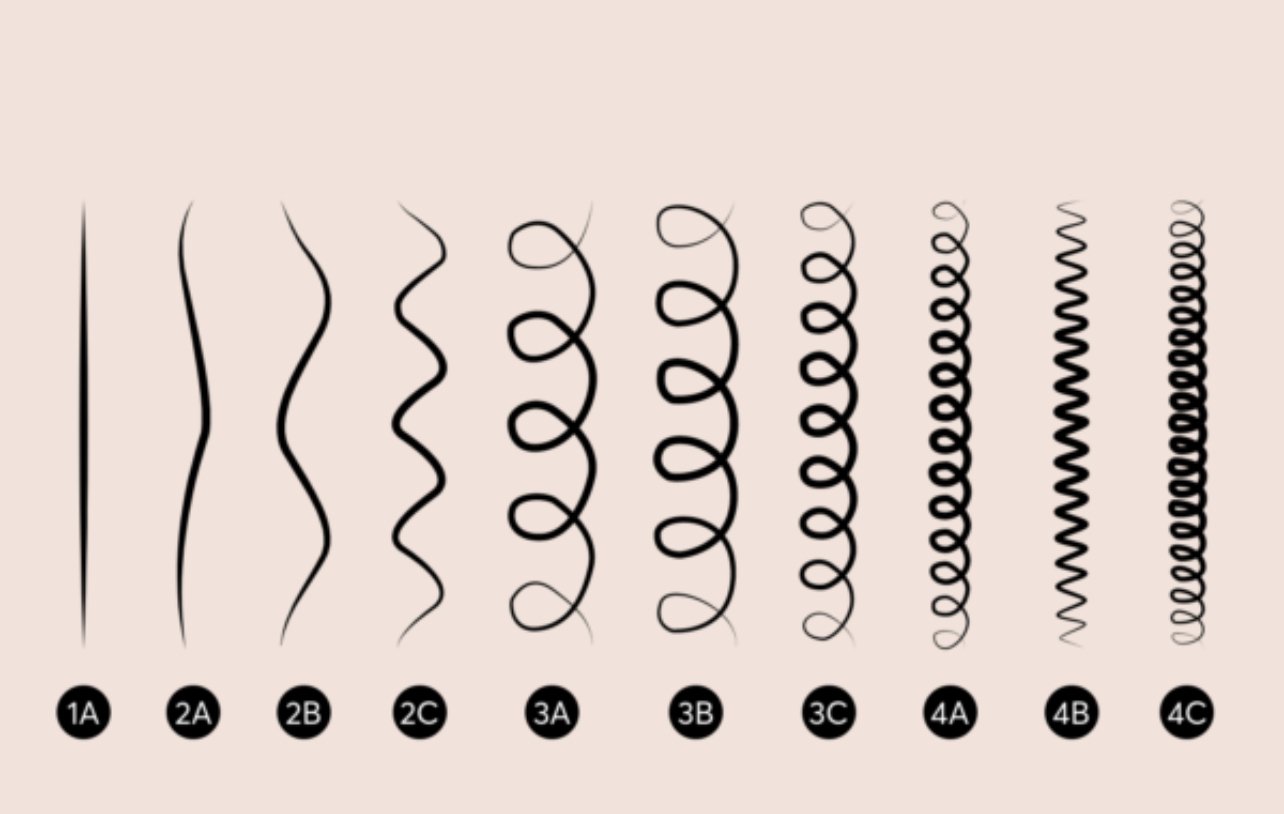
Image from hairflair.com
The Myth: Blow-Dryingo Always Causes Heat Damage
One of the most persistent myths is that blow-drying, especially on high heat, will inevitably cause heat damage. Heat damage happens when the protein bonds in your hair break down, leading to weakened hair structure. This can cause permanent straightening of curls, brittleness, and increased breakage.
But not all heat is bad—in fact, blow-drying can actually be beneficial when used correctly. The key is to use heat safely and in moderation, and to always apply a heat protectant before blow-drying.
Scientific Insight: What Research Says About Heat and Hair
According to research published in the Journal of Cosmetic Science, heat can damage hair cuticles when the temperature exceeds 150°C (302°F). However, moderate heat, especially when combined with protective measures, does not cause significant damage to hair structure . Another study in the International Journal of Trichology also highlighted that when heat is used cautiously, it does not alter the natural texture or cause long-term damage to hair .
Blow-drying with moderate heat while using a heat protectant can actually reduce moisture loss, helping to smooth the cuticle and prevent tangling—common concerns for 4C hair. It’s also worth noting that wet hair is more prone to breakage than dry hair. Blow-drying on low heat can be a safer alternative to air-drying, especially in cases where manipulation is needed.
Heat Protectants: A Must for Blow-Drying
Heat protectants play a crucial role in safeguarding your hair from damage. These products form a protective barrier over the hair strands, reducing the risk of moisture loss and cuticle damage from heat exposure. Research published in the Journal of the Society of Cosmetic Chemists showed that using heat protectants can significantly reduce the harmful effects of heat on hair . For 4C hair, applying a heat protectant is an absolute must before blow-drying.
Best Practices for Blow-Drying 4C Hair
Now that we’ve debunked the myth, here are a few best practices to ensure you’re blow-drying your 4C hair safely:
- Always start with clean, well-conditioned hair: Hair that is hydrated and free of build-up is less likely to become damaged during blow-drying.
- Use a heat protectant: This will minimize any damage from the blow-dryer. Choose a product specifically formulated for textured hair.
- Set your blow-dryer to a low or medium heat setting: There’s no need to use extreme heat. It may take a little longer, but lower temperatures are safer for maintaining your hair’s health.
- Use the tension method or a wide-tooth comb attachment: Both methods stretch the hair without requiring excessive heat or tension, preventing unnecessary strain on your hair.
- Moisturize afterward: After blow-drying, use a lightweight oil or leave-in conditioner to restore moisture.
Final Thoughts
Blow-drying 4C hair doesn’t automatically lead to heat damage. With the right tools, products, and techniques, blow-drying can be a safe and effective way to manage and style your hair. As with any hair care practice, moderation and care are key.
So, the next time someone tells you that blow-drying 4C hair is guaranteed to cause damage, share these facts and show them how proper care and heat protection can make all the difference.
What’s your experience with blow-drying 4C hair? Have you noticed any difference with the use of heat protectants? Share your thoughts in the comments below, and don’t forget to try the safe blow-drying methods next time!
References:
- Journal of Cosmetic Science: “Thermal damage and protection of hair”
- International Journal of Trichology: “A review of the effects of thermal tools on hair cuticles”
- Journal of the Society of Cosmetic Chemists: “Heat protectants and their efficacy in hair protection”

Comment (1)
Why Does 4C Hair Shrink? What's Normal + How to Stretch It Safely
[…] fact, blow-drying 4C hair doesn’t inevitably cause heat damage when proper techniques and protection are […]